GVT vs Porcelain vs Vitrified Tiles: Key Differences Explained (2026)
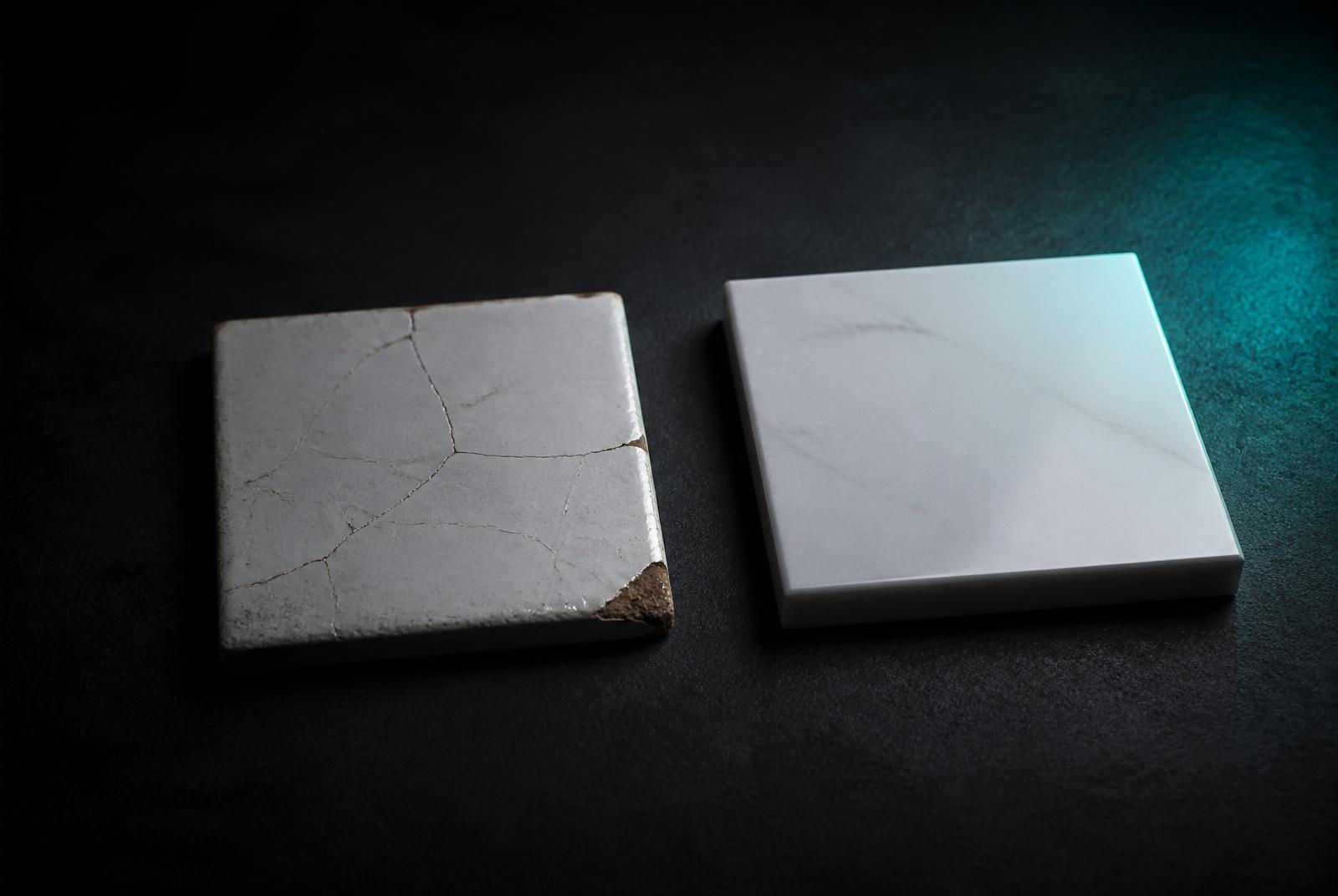
If you've spent time researching tiles, you've probably come across the terms GVT, Porcelain, and Vitrified. These are often used interchangeably, which creates confusion for both homeowners and professionals. While they share some similarities, they are not the same.
Understanding the differences is important because it directly affects durability, maintenance, design options, and long-term performance. This guide breaks down the technical distinctions in clear terms so you can make a better decision.
What Do These Terms Actually Mean?
Let's start with clear definitions:
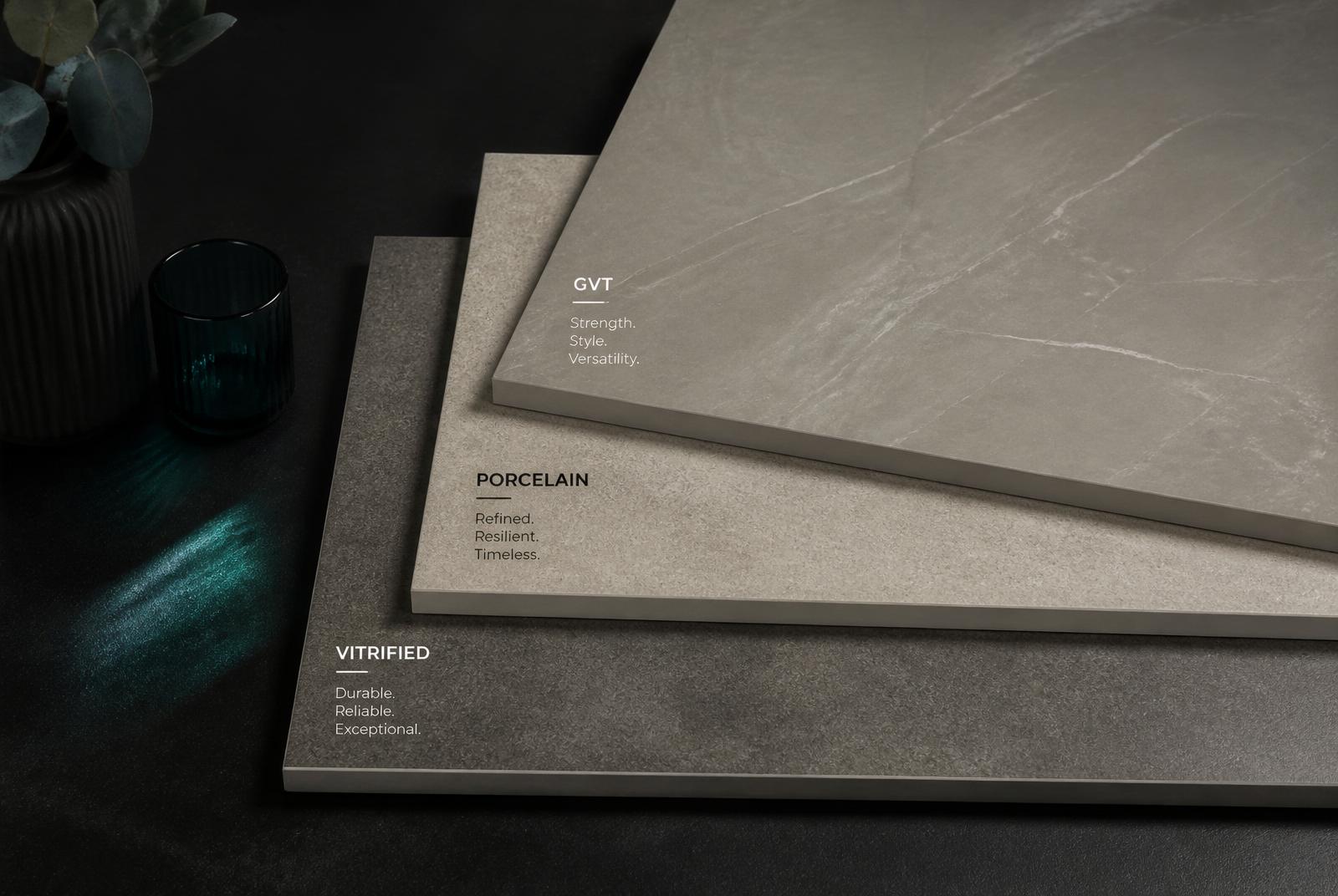
- Vitrified Tiles: Fired at very high temperatures until the clay body becomes dense and glass-like. This process gives them low water absorption and good strength. Most modern floor tiles fall into this category.
- Porcelain Tiles: A type of vitrified tile made using finer clay and fired at higher temperatures. Generally offers lower water absorption and higher durability than standard vitrified tiles.
- GVT (Glazed Vitrified Tiles): Vitrified tiles with a decorative glaze applied on the surface, usually through digital printing. The vitrified body provides strength; the glaze allows a wide variety of designs — marble, wood, and stone effects.
Key Technical Differences
| Parameter | Standard Vitrified | Porcelain | GVT |
|---|---|---|---|
| Water Absorption | Below 0.5% | Usually below 0.5% | Usually below 0.5% |
| Body Density | High | Very High | Very High |
| Surface Design | Limited | Moderate | Very High (Digital) |
| Scratch & Stain Resistance | Good | Excellent | Excellent |
| Design Variety | Basic | Good | Wide range of realistic effects |
| Best For | General flooring | High-traffic & wet areas | Premium residential & commercial |
Water absorption is one of the most critical factors. Lower absorption means the tile is less porous, which improves resistance to staining, moisture damage, and bacterial growth. Premium manufacturers, including those producing high-grade tiles in Morbi, often achieve absorption rates as low as 0.03%.
When Should You Choose GVT Tiles?
GVT tiles are an excellent choice when you want both performance and design flexibility. They are widely used in:
- Living rooms and bedrooms where aesthetics matter
- Projects that require marble-look or wood-look finishes
- Areas where you want the durability of vitrified tiles with more visual options
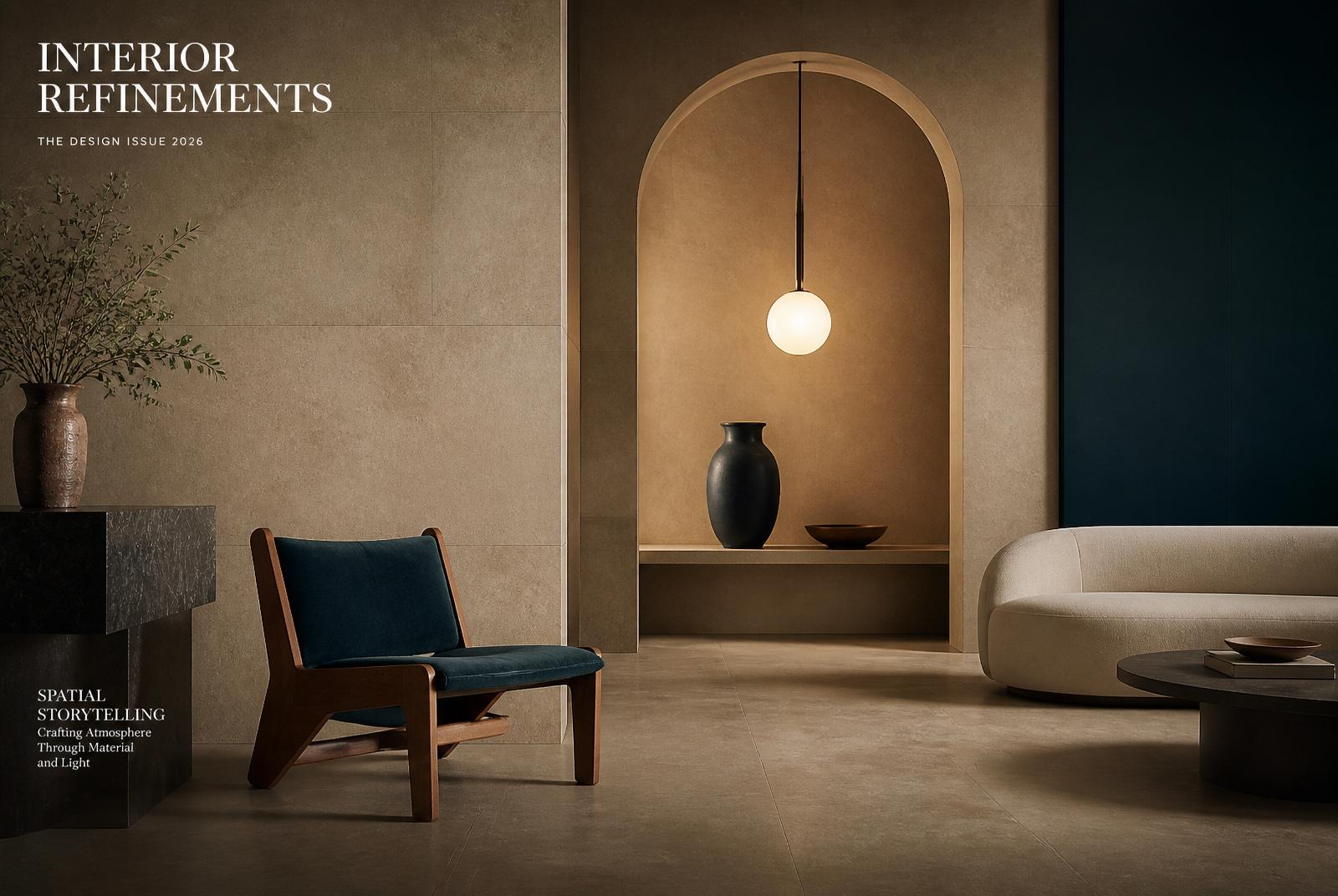
Because of their digital printing capabilities, GVT tiles can closely mimic natural materials at a more practical price point. This makes them popular among both homeowners and commercial projects.
When Should You Choose Porcelain Tiles?
Porcelain tiles are preferred when maximum durability and low maintenance are the top priorities. They perform well in:
- High-traffic commercial spaces
- Wet areas such as bathrooms and kitchens
- Outdoor applications (when frost resistance is required)
- Projects where long-term performance matters more than surface design variety
Common Myths About These Tiles
Myth: GVT tiles are not as strong as porcelain tiles.
Reality: Both are vitrified and can offer similar strength. The main difference lies in the surface treatment and design capabilities.
Myth: All vitrified tiles have the same quality.
Reality: Quality varies significantly based on manufacturing standards, raw material quality, and firing processes. Water absorption rate and dimensional consistency are better indicators of quality.
Myth: Porcelain tiles are always more expensive.
Reality: While premium porcelain can be costly, many GVT options offer comparable performance at different price points depending on design and brand.
Quick Comparison: Which One Should You Choose?
| Requirement | Recommended Tile Type |
|---|---|
| High design variety + good durability | GVT |
| Maximum strength & low maintenance | Porcelain |
| Budget-friendly durable flooring | Standard Vitrified |
| Wet areas & high traffic | Porcelain or High-grade GVT |
| Premium marble or wood-look finish | GVT |
Key Takeaways
- All GVT and porcelain tiles are vitrified, but they differ in surface treatment and density.
- Water absorption below 0.5% (ideally 0.03%) is a strong indicator of quality and long-term performance.
- GVT offers better design flexibility, while porcelain generally provides higher density and strength.
- The right choice depends on your specific use case — design needs, traffic levels, and maintenance expectations.
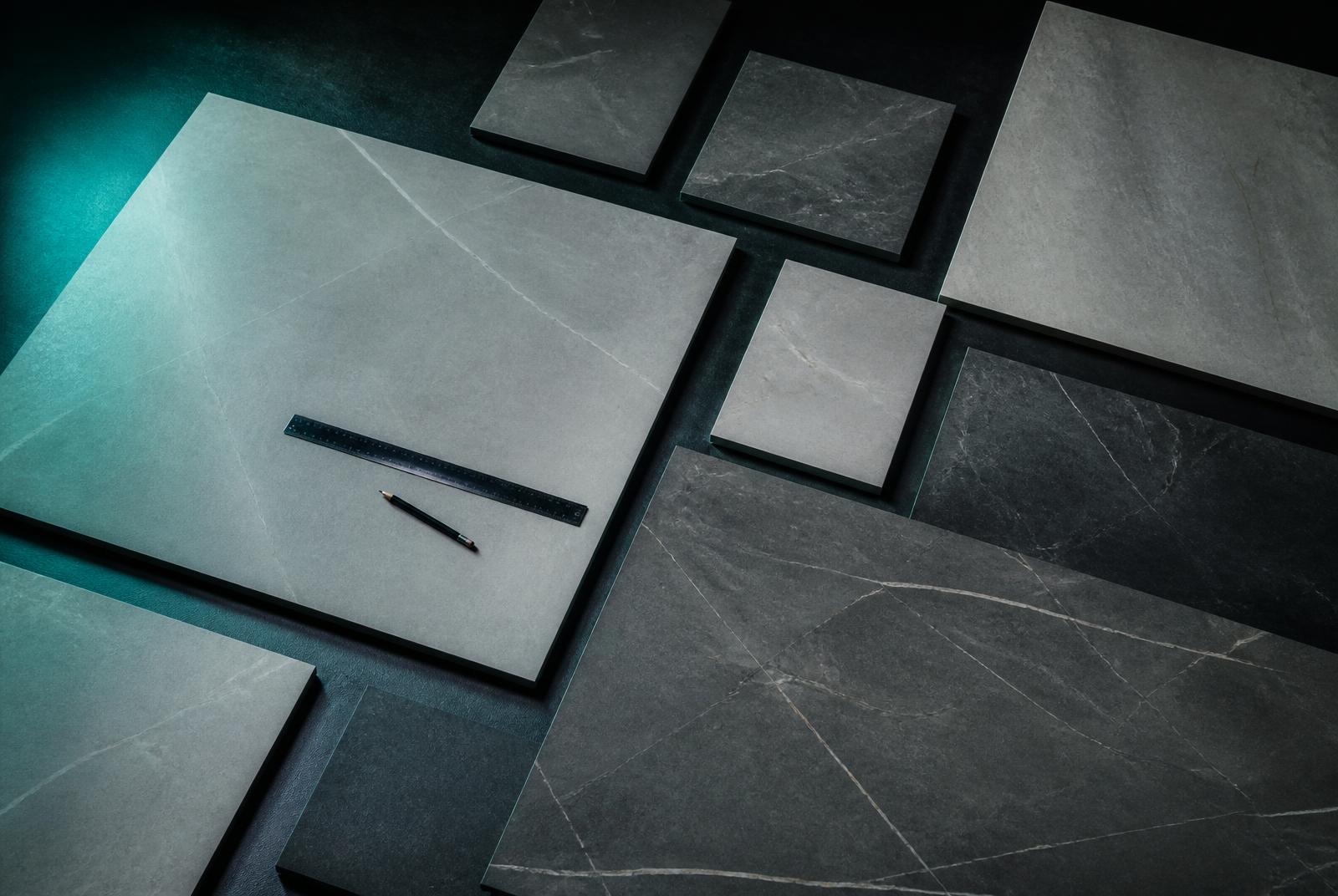
Choosing the right tile type requires looking beyond marketing terms and understanding the technical specifications. Always request technical data sheets and, when possible, examine physical samples before making a final decision.
If you're evaluating tile options for a residential or commercial project and want clear guidance on specifications, talk to our team at Spencer Tiles. We can help you understand which products best match your requirements.
Need Help Choosing the Right Tiles?
Our team helps homeowners, architects and dealers match the right surface to the project — spec sheets, samples, and honest guidance.